
Heart monitors for horses: BHA pilot update

Did you spot something different at Ascot or Windsor racecourses over the weekend?
Manothepeople and Stoner’s Choice, trained by Fergal O’Brien, and Gidleigh Park trained by Harry Fry, became the latest horses to wear heart monitors on the racecourse as part of a BHA-led pilot.
Wearable devices have been used in yards and on the gallops for some time. But now we’re testing their use under race conditions.
Why? Because these ‘equine fitbits’ can track a horse’s heart activity and rhythm, giving us an insight into their health and performance.
This is valuable data that is supporting vital scientific research at the University of Surrey into the cardiac activity of horses and how we may be able to identify those at greater risk of experiencing heart issues.
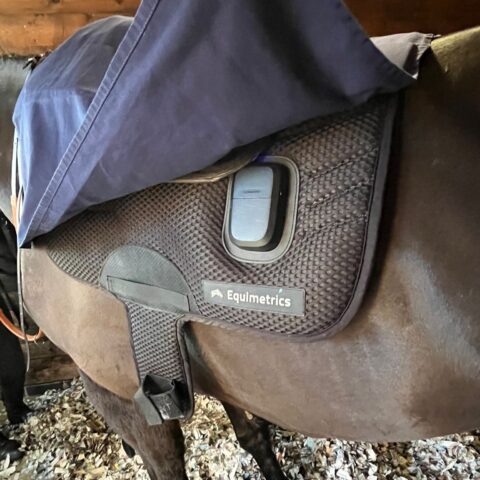
Equimetrics saddle pad heart monitor worn by Manothepeople, Stoner’s Choice & Gidleigh Park
Exercise Associated Sudden Death (EASD), which is where a horse collapses and dies during or immediately after exercise, is a rare occurrence, affecting 0.04% of starters annually.
The most commonly identified cause of such incidents is cardiopulmonary (i.e. cardiac arrest), but the more information we can gain – including from electrocardiograms (ECG) – the better our ability to help screen horses to prevent it from happening.
The early signs from the pilot are encouraging. We have established that the technology is safe and practical to use on the racecourse, and that we can gather clear ECG readings under race conditions to more accurately characterise what is normal for horses.
What started in May 2025 as a 10-race pilot has now been expanded to include more horses at more fixtures, with refinements to the kit and raceday processes.
The devices sit neatly in the saddle cloth and underneath the girth strap, so may only be visible in the pre-parade ring or unsaddling areas – you’d have to have been eagle-eyed to notice it.
The BHA-backed study is being conducted in collaboration with Dr Celia Marr, Rossdales Veterinary Surgeons’ internal medicine specialist, and Professor Kamalan Jeevaratnam and his team at the University of Surrey. It is supported by the Horse Welfare Board and the Racing Foundation.
The plan is to roll the use of heart monitors out further in the months ahead so that the technology is used more widely. In the meantime, read more about the background to the pilot here.