
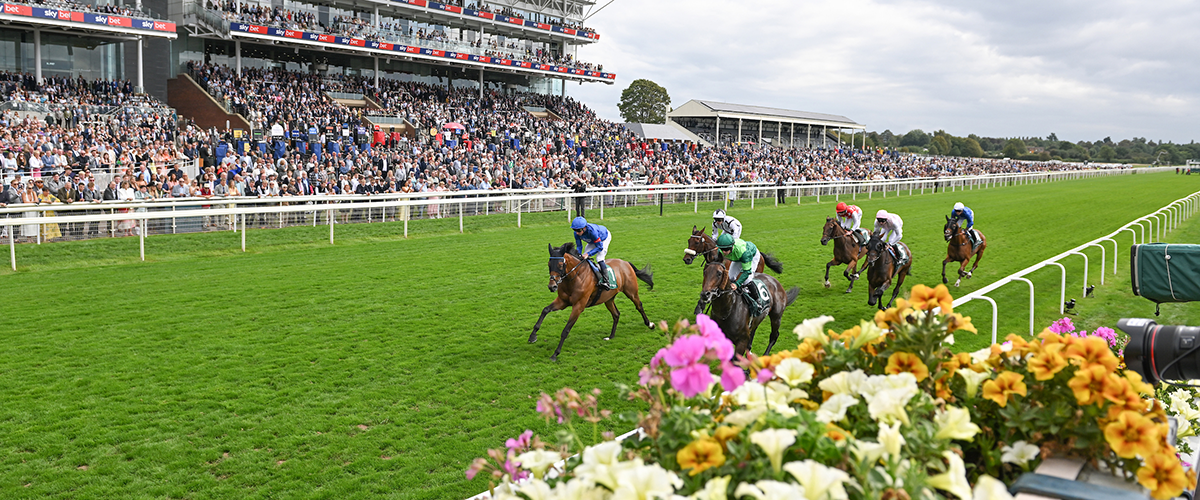
British racecourses have a rich history and heritage that stretch back to the medieval era, when informal contests of speed and stamina were held on open heathlands and village greens. By the 16th and 17th centuries, under the patronage of monarchs such as James I and Charles II, organised racing began to flourish, with Newmarket emerging as the sport’s spiritual home and earning its title as the headquarters of British horseracing.
Over the centuries, iconic courses like Ascot—founded in 1711 by Queen Anne—and Epsom, home of the Derby since 1780, helped shape racing into both a national pastime and a cornerstone of British cultural identity.
Today, Britain’s racecourses blend centuries‑old traditions with modern sporting spectacle, preserving a heritage rooted in royal influence, regional pride, and the enduring bond between people and horses.
- Aintree, Merseyside, L9 5AS, opened 1829.
- Ascot, Berkshire, SL5 7JN, opened 1711.
- Ayr, Ayrshire, Scotland, KA8 0JE, opened 1907.
- Bangor-on-Dee, Clywd, Wales, LL13 0DA, opened 1859.
- Bath, Somerset, BA1 9BU, opened 1811.
- Beverley, Yorkshire, HU17 8QZ, opened 1690.
- Brighton, East Sussex, BN2 9XZ, opened 1783.
- Carlisle, Cumbria, CA2 4TS, opened 1904.
- Cartmel, Cumbria, LA11 6QF, opened 1856.
- Catterick, Yorkshire, DL10 7PE, opened 1783.
- Chelmsford City, Essex, CM3 1QP, opened 2008.
- Cheltenham, Gloucestershire, GL40 ASH, opened 1898.
- Chepstow, Monmouthshire, Wales, NP16 6BE, opened 1926.
- Chester, Cheshire, CH1 2LY, opened 1539.
- Doncaster, Yorkshire, DN2 6BB, opened 1614.
- Epsom Downs, Surrey, KT18 5LQ, opened 1661.
- Exeter, Devon, EX6 7XS, opened 1819.
- Fakenham, Norfolk, NR21 7NY, opened 1905.
- Ffos Las, Carmarthenshire, Norfolk, NR21 7NY, opened 2009.
- Fontwell Park, West Sussex, BN18 0SX, opened 1924.
- Goodwood, West Sussex, PO18 0PS, opened 1801.
- Great Yarmouth, Norfolk, NR30 4AU, opened 1920.
- Hamilton Park, Lanarkshire, Scotland, ML3 0DW, opened 1926.
- Haydock Park, Merseyside, WA12 0HQ, opened 1899.
- Hereford, Herefordshire, HR4 9QU, opened 1771.
- Hexham, Northumberland, NE46 4PF, opened 1890.
- Huntingdon, Cambridgeshire, PE28 4NL, opened 1886.
- Kelso, Scottish Borders, TD4 7SX, opened 1822.
- Kempton Park, Middlesex, TW16 5AQ, opened 1878.
- Leicester, Leicestershire, LE2 4AL, opened 1883.
- Lingfield Park, Surrey, RH7 6PQ, opened 1890.
- Ludlow, Shropshire, SY8 2BT, opened 1725.
- Market Rasen, Lincolnshire, LN8 3EA, opened 1924.
- Musselburgh, East Lothian, Scotland, EH21 7RG, opened 1816.
- Newbury, Berkshire, RG14 7NZ, opened 1905.
- Newcastle, Tyne and Wear, NE3 5HP, opened 1882.
- Newmarket (July and Rowley Mile), Suffolk, CB8 0TG, opened in 1636.
- Newton Abbot, Devon, EQ12 3AF, opened 1866.
- Nottingham, Nottinghamshire, NG2 4BE, opened 1892.
- Perth, Perthshire, Scotland, PH2 6BB, opened 1908.
- Plumpton, East Sussex, BN7 3AL, opened 1902.
- Pontefract, Yorkshire, WG8 4QD, opened 1827.
- Redcar, Cleveland, TS10 2BY, opened 1872.
- Ripon, Yorkshire, HG4 1UG, opened 1900.
- Salisbury, Wiltshire, SP2 8PN (opened mid-16th century)
- Sandown Park, Surrey, K10 9AJ, opened 1875.
- Sedgefield, Cleveland, TS21 2HW, opened 1846.
- Southwell, Nottinghamshire, NG25 0TS, opened 1898.
- Stratford-on-Avon, Warwickshire, CV37 9SE, opened 1755.
- Taunton, Somerset, TA3 7BL, opened 1927.
- Thirsk, Yorkshire, YO7 1QL, opened 1855.
- Uttoxeter, Staffordshire, ST14 8BD, opened 1907.
- Warwick, Warwickshire, CV34 6HN, opened 1707.
- Wetherby, Yorkshire, LS22 5EJ, opened 1891.
- Wincanton, Somerset, BA9 8BJ, opened 1867.
- Windsor, Berkshire, SL4 5JJ, opened 1866.
- Wolverhampton, West Midlands, WV6 0PE, opened 1825.
- Worcester, Worcestershire, WR1 3EJ, opened 1718.
- York, Yorkshire, YO23 1EX, opened 1731.
York Racecourse – a case study
The Knavesmire, now home to York Racecourse, is the earliest documented racecourse site in Yorkshire, with evidence of organised racing activity stretching back nearly two millennia.
Roman Roots
Long before thoroughbreds thundered down the straight, the Knavesmire lay just outside Roman Eboracum. Archaeological and historical evidence strongly suggests the flat, open land was used for chariot racing during the Roman occupation, between the 1st and 4th centuries AD. While this was not horse racing in the modern sense, it establishes the Knavesmire as a sporting arena centuries before most English towns existed.
Medieval horse racing
By the 12th century, records show that horse racing proper was taking place on the Knavesmire. York’s status as a wealthy and influential city made it a natural centre for organised sport, with civic authorities regulating racing and crowds gathering for competitive events. These were not casual matches, but structured contests that resemble the foundations of modern racing.
Royal approval and permanence
The Knavesmire’s place in racing history was cemented in the 17th century, when Charles II — famously enthusiastic about racing — patronised meetings at York. From this point onward, racing on the Knavesmire became firmly established, evolving into one of Britain’s most important and enduring racecourse sites.
In 1842, the York Racecourse Committee was founded, and the company still owns and operates the racecourse to this day. Some of York’s best-known races like the Ebor Handicap and Gimcrack Stakes (both first run in 1846) date back to this time.
Modern Day
The facilities at York underwent a major redevelopment early in the new millennium, with a new Grandstand completed in 2003 and a new top bend added in 2004, in time to host the 2005 edition of Royal Ascot.
In 2024, York Racecourse secured the prestigious honour of hosting the world’s best horserace, with the Aiden O’Brien trained City of Troy winning that year’s running of the Juddmonte International.
What makes York unique is continuity. Few places in the world can credibly claim to have hosted competitive racing — in one form or another — for close to 2,000 years on the same stretch of ground.
With nearly 290,000 racegoers attending York’s fixtures in 2025, the enduring appetite for horseracing on the Knavesmire means the course will be there for many more years to come.
• Provided by Go Racing In Yorkshire.