
Promote and Protect: Welfare communications and the Grand National
In this blog Robin Mounsey, the British Horseracing Authority’s Head of Communications and Horse Welfare Board member, talks about the steps that British racing is taking to promote the sport’s high welfare standards and safeguard public perception in the build up to the Randox Grand National.
The findings of Project Beacon – the sport’s largest ever customer research project – are clear: Perceptions around welfare are the single biggest barrier to engagement amongst our current and future audiences.
British racing has a proven track record when it comes to investment in the safety and welfare of its participants. £63m has been invested since the year 2000 in veterinary science, research and welfare improvements. Faller rates have reduced continually over the course of 21 consecutive years and the sport’s fatal injury rate has fallen to 0.22% of runners. The sport’s approach to protection and prevention of injuries – and responses when accidents occur – is now more rigorous than it has ever been. However, trust in the sport cannot be taken for granted from either the public, media or political audiences.
At no other time of year is this more in focus than in the period between the Cheltenham Festival and the Grand National, historically the period where the greatest spotlight falls upon the sport and its ethics and standards are debated both within the sport and the wider public, often driven by the sport’s opponents.
This is a debate that racing should engage with enthusiastically if we are to build and maintain trust. So, what steps does the sport take in this period to influence public perception?
Working with our industry colleagues, in particular the Jockey Club and Great British Racing, we take an approach of “promote and protect”. We promote with confidence the sport’s track record and its ongoing work, and position ourselves as best as possible to protect its reputation if it comes under fire.
Promote
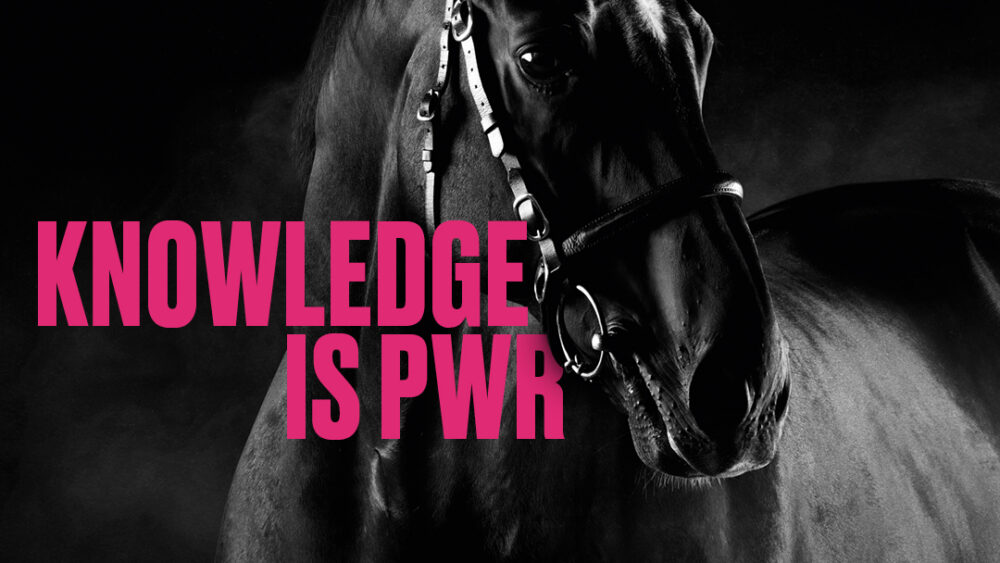
At the heart of our proactive approach to promoting welfare is the HorsePWR campaign, which was developed in 2024 and delivered jointly by the BHA and Great British Racing, alongside the Horse Welfare Board and with additional funding kindly provided by the Jockey Club.
HorsePWR is centred around two main concepts. On the one hand it is a confident promotional campaign related to welfare and safety in the sport, supported by beautiful equine photography which puts the horse front and centre. On the other hand, it is a resource of facts and data around welfare, which shows the sport is willing to be open and transparent about its track record, and is also promoting the significant body of ongoing work to reduce risk and improve equine welfare.
In the spring period the sport invests, thanks to the Horserace Betting Levy Board, substantial and targeted spend on the HorsePWR campaign. That campaign is up and running and is active in various locations nationwide as well as online, and includes:
- National newspaper advertising including Mail On Sunday, Daily Mail, Telegraph, Metro and The I
- Advertising in travel hub locations in major cities, including bus sides and display ads in prominent locations, including in Liverpool itself
- Major advertising sites at stations including Cannon St, Charing Cross, Liverpool Lime St, Reading, St. Pancras and Victoria
- Across the national rail network including London stations, GWR routes, Cross Country, Liverpool and Manchester, and Avanti
- Extensive online and digital channels including social media and display ads, utilising the campaign video
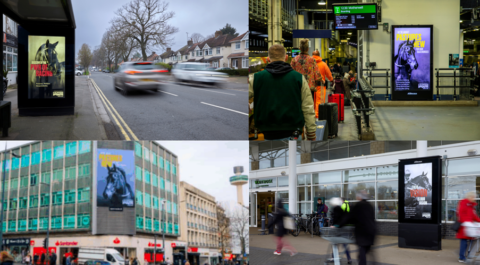
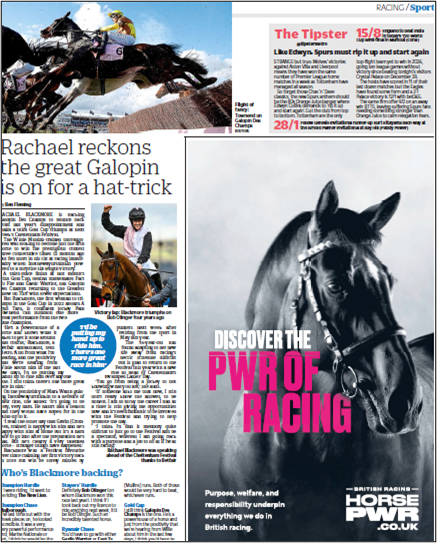
This year we have added to the arsenal of campaign messages with a new Grand National-focused advert which emphasises the ongoing evolution of the race while safeguarding the essence of the spectacle. We have also introduced stunning subtle motion videos which help the campaign stand out in busy commuter environments.
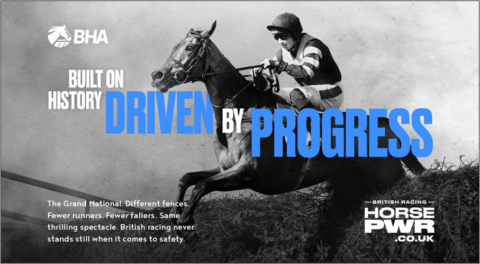
The activity is targeted towards the audiences which Project Beacon identified as being integral to the sport’s future, and the messaging is direct and clear – we are happy to speak about welfare in our sport, confident about our standards and the progress we are making, and open about the risks.
However, HorsePWR is not the limit of our proactive, promotional work and this year we are doing more than ever to ensure that the sport’s perspective is heard.
For example, major interviews will be appearing in national press including the likes of Horse Welfare Board Chair Minette Batters [LINK] and BHA Chief Executive Brant Dunshea which will include speaking about the sport’s approach to safety.
Great British Racing’s “The Going is Good” campaign also includes this year welfare messaging, again recognising the importance of this issue to our audiences.
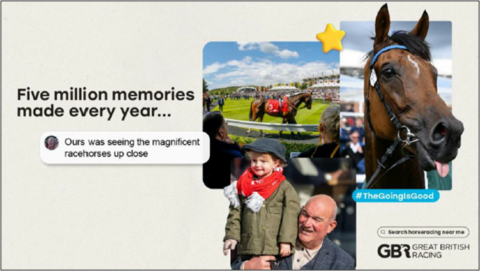
Our colleagues at the Jockey Club are in regular contact with journalists and producers from all major national news and broadcast outlets ahead of the Cheltenham and Grand National festivals, inviting them to contact them or the BHA if they want to discuss welfare in any way. In addition, there is targeted national media engagement with trips to yards and welfare education projects in order to generate positive mainstream coverage.
This has the purpose not only of arming our national media with the relevant information and positive welfare stories, but also encouraging them to come to us for official spokespeople if they wish to debate this topic.
We will be writing to racing media and stakeholders sharing briefing and messaging and data packs, so our sport’s key figures are armed with all the information they need if they find themselves discussing welfare matters.
The BHA’s Corporate Affairs team have also taken steps to ensure that political audiences are aware of our approach to welfare. This has included writing to every single MP and providing them with a HorsePWR welfare fact sheet.
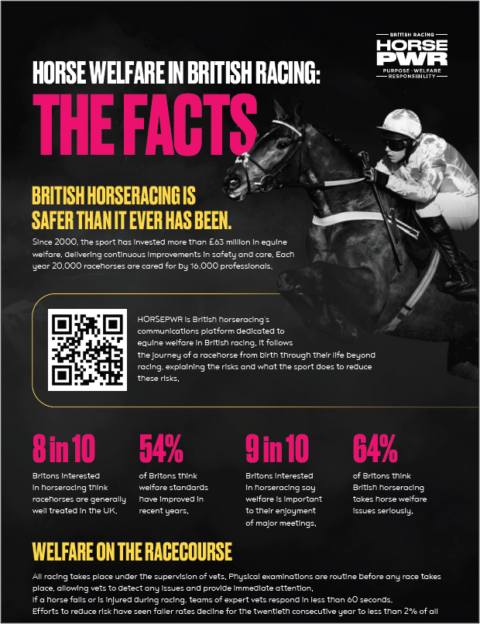
In addition to this HorsePWR has appeared in advert and editorial form in the House Magazine and Labour List – both read widely by MPs, members of the House of Lords and their staff.
We have this year written a letter in the name of BHA Director of Equine Regulation, Safety and Welfare James Given to every national and regional news outlet in the country.
On top of this, all our collective digital channels will be producing welfare-related content over the coming weeks and the build-up to the National, alongside all of the extensive efforts that go into promoting the race itself.
Protect
Alongside the sport’s front-foot approach in this period, we also invest a significant amount of thought into how we ensure we are best structured to react to any welfare-related issues that arise. Our approach is that, if there are issues, then we should be visible as a sport, ready to speak frankly, and provide the facts.
Senior spokespeople will be available from both the BHA and Aintree racecourse to speak to media before, during or after the festival, and the BHA, GBR and Jockey Club will work together to discuss any incoming requests and determine who will be the appropriate spokesperson.
We will also be deploying our BHA veterinary spokesperson initiative at this fixture. As is the case at all major fixtures we have one of a group of BHA vets on hand to be able to speak to broadcasters about welfare-related matters, especially in the case of major incidents.
This was put into action at the Cheltenham Festival where James Given gave interviews to broadcasters and via our own social media channels giving some context to the sad incident involving Envoi Allen.
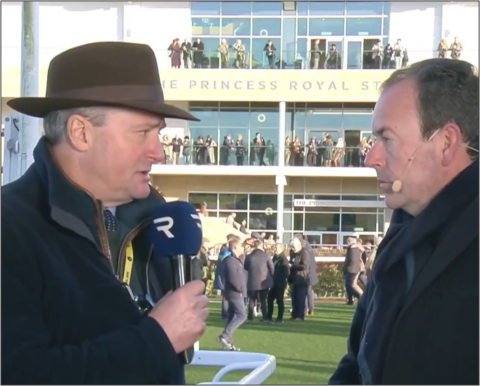
In the instance of an incident in the Grand National, or indeed through the week, the team at the Jockey Club will be responsible for the initial flow of timely, accurate information to the media in the wake of any incidents. Following on from this our spokespeople will be available if needed to speak to media. And if the situation warrants then we will not hesitate in ensuring they are visible on major broadcast outlets in the aftermath of the race, representing the sport.
Moreover, we work with a group of “advocates” who are people from across the sport who are willing to speak on its behalf in situations where a spokesperson who doesn’t represent the sport’s governing body is more appropriate, or if we need extra support in instances where we have numerous media requests. Those spokespeople are well briefed and include first class representatives of the sport including the likes of Tom Scudamore, Kevin Blake, Sally Ann Grassick and Frankie Foster, who will also be publishing welfare-related content via Raceday TV. We are grateful to all of them for making themselves available on behalf of the sport.
Away from the National
This blog provides a summary of some of the actions we are taking during this period but it is not exhaustive – there is plenty more activity we will be carrying out via our public and private channels during this period, including also talking about the cultural and economic importance of the race.
Of course, welfare communication is not only a consideration during the spring period. It is a year-round activity and one of the priority strategic communication areas for the BHA, Jockey Club, Great British Racing and Horse Welfare Board.
Perception, trust and social licence will form an important part of the next iteration of the Horse Welfare Board’s strategy, which is currently being developed and will be published later this year.
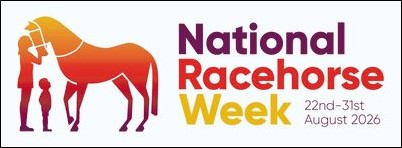
We also have the sixth consecutive National Racehorse Week to look forward to at the end of summer, running from Saturday 22 – Monday 31 August. This is where the sport opens its doors to the public and showcases the high standards of care that exist within our training yards up and down the country. Racing is the only top-tier sport to open its doors for free in this way.
In conclusion
The Grand National remains an iconic race, by far the world’s most famous. It will be available to around 600m people worldwide, 150,000 will attend the racecourse over three days. It generates approximately £60m for the local region each year, and 13 million people will have their annual flutter on the race.
This profile brings with it elevated scrutiny, and it is right that this should be the case. British racing must show itself to be willing to listen to concerns, engage in debate and, at the same time, calmly and confidently proactively show our pride in the sport’s welfare standards and the race itself.