
Pre-race examinations: What they are and how they work
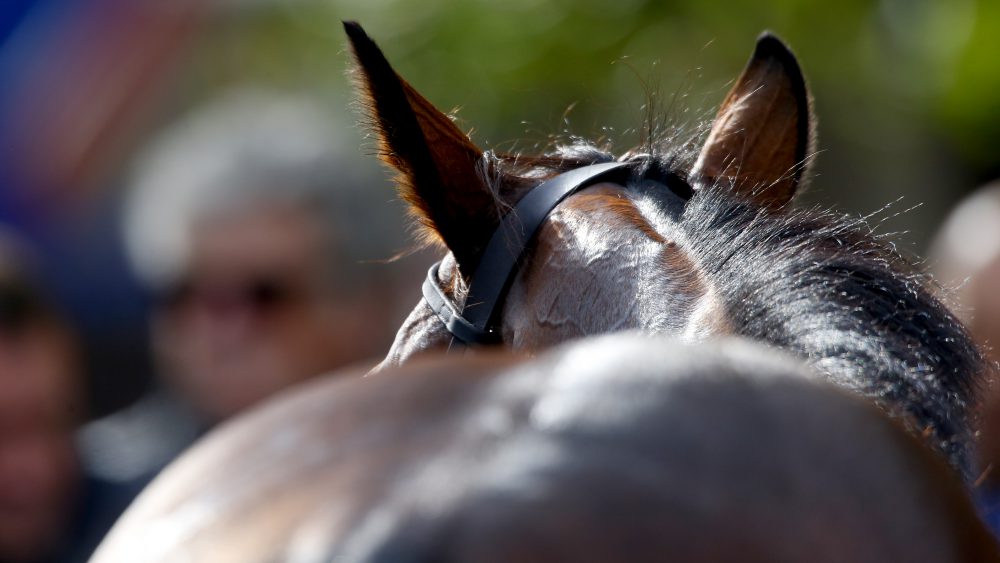
The pre-race examination of horses has become an increasingly important part of British racing’s ongoing efforts to continually improve safety and reduce the risk of injury.
At fixtures across the country, the BHA’s expert team of regulatory vets will check horses for any sign of injury before racing starts.
This is because everyone involved in our sport wants to ensure that horses are in the best possible condition to race following their journey to the racecourse.
The checks are designed to complement a trainer’s knowledge and judgement about the horses in their care. Their intention is to provide an extra layer of protection and help identify any potential injury that may have occurred in transit or on arrival at the racecourse, or any underlying or undetected issue.
The process itself is clear and well established, both in Britain and across many other international racing jurisdictions.
The horse will be trotted on a firm surface and in a straight line over a distance of around 25 metres – away from and back towards the BHA’s veterinary officers. This is to assess how the horse is moving and to look for any signs of lameness.
The vets will then feel – or palpate – the horse’s front limbs to check for any signs of pain, heat or swelling. If there is any heat, pain or swelling in the tendon it can often be the case that a horse may appear sound, but that these signs may indicate a more serious underlying issue that could cause significant injury if the horse is allowed to gallop.
The checks aren’t just about examining a horses soundness – i.e. gait and movement. They can also help identify any potentially unknown or undetected risk, including cardiac issues.
The veterinary team will listen to the horse’s heart using a stethoscope. All BHA vets now use digital stethoscopes, which provide information on a horse’s heart rate and rhythm and can be shared with others in real time if additional professional opinion is required.
This allows the vets to make better decisions for the horse, either by preventing them from running that day or being able to track and monitor any anomaly in a horse that’s otherwise within normal expectations. Indeed, there have been several examples of horses being withdrawn prior to racing on veterinary advice due to cardiac concerns.
If during the pre-race examination the BHA veterinary officer team has any concerns about a horse, then multiple veterinary opinions are sought to make a decision about that horse’s suitability to race.
This will always be a comprehensive process, which includes input from and engagement with the trainer or their representative on the racecourse. It will include giving the horse an opportunity to warm up through walking and sometimes re-examination on a softer surface.
If any concerns remain, then the horse will be withdrawn on veterinary grounds and the trainer required to provide the BHA with a report from their home vet for analysis and discussion by a panel of veterinary officers prior to the horse being permitted to race again.
The withdrawal of any horse prior to racing will understandably be disappointing for connections and in some cases racegoers, who were looking forward to seeing the horse run. But these decisions will always be taken on veterinary advice following a thorough examination and extensive deliberation by a panel of veterinary surgeons.
To help avoid this disappointment, the BHA encourages trainers to engage with our veterinary teams well in advance of raceday about any horse that may have an unusual or asymmetrical gait or may appear mildly lame.
The sooner we know about these horses, the better, as early notification allows the BHA’s vets to work with the trainer and home veterinary surgeon to discuss that horse’s individual circumstances and consider any additional information or diagnostic work.
This collaborative approach helps reduce the likelihood of a horse needing to be withdrawn on the day of the race and therefore avoid any last-minute disappointment.
The BHA has well-established suitability to race guidance, which is shared with racehorse trainers and their vets so that they understand why and how horses are examined on the racecourse by veterinary surgeons.
The aim of this approach is to enhance transparency about the procedures in place, including why some horses might be subject to an even greater level of check due to a particular factor such as their age, profile, race history or a pre-existing condition.
More information for trainers and vets about the role of the BHA veterinary officers on raceday, including the pre-race examination process and how decisions are made about a horse’s suitability to race, is available here.